Postgraduate Studentships - Search for funding opportunities.




Postgraduate Studentships - Search for funding opportunities.



 Study Details: 1 year
Find out about courses, learn about the application process, and discover how we can help you achieve your professional goals.
This degree programme provides the opportunity to follow the prestigious CFA (Chartered Financial Analyst) specialist pathway and acquire the skills to complete the CFA Level 1 examination (for both September-intake and January-intake students).
Successful completion of all examinations on this course will see you receive 11 exemptions from the CIMA. For further information on the CIMA exemptions visit our Professional Recognition and Accreditations page.
The course aims to develop an individual’s understanding of the role of accounting for decision-making both inside and outside organisations.
The course involves advanced study of organisations, their management, the role of accounting for internal and external users, and the changing external context in which they operate. Students will develop the ability to apply knowledge and understanding of accounting to complex issues.
January intake: Taught modules are undertaken in the period of January to June and September to January and will involve the study of 120 credits. The dissertation (or equivalent) is valued at 60 credits and is undertaken during the period of June to September.
September intake: Taught modules are undertaken in the period of September to June and will involve the study of 120 credits. The dissertation (or equivalent) is valued at 60 credits and is undertaken during the period of June to September.
Many of our degree programmes provide the opportunity to follow the CFA (Chartered Financial Analyst) specialist pathway and acquire the skills to complete the CFA Level 1 examination (for both September-intake and January-intake students). The CFA has become the most respected and recognised professional qualification in finance in the world.
Students undertaking this pathway will take a module titled Financial Research & CFA Series during the summer period. Students will attend research seminars in June to be followed by specialist training for the Level 1 CFA exam. The teaching will include two days of Research Seminars in June and five two-day blocks of training, plus an additional two-block of revision provided across July and August. Assessments will follow the seminars and the CFA training.
No additional fees are charged for students undertaking this pathway.
Candidates should have a good first degree at 2(ii) or higher or equivalent from a university or another approved degree-awarding body. Non-graduate qualifications deemed to be of a satisfactory standard for the purpose of postgraduate admission may also be considered. Work experience is desirable.
Prior study of accounting (as part of the first degree, for example) or experience of working within the field of accounting is essential.
If your native language is not English, you must provide satisfactory evidence that you have an adequate knowledge and understanding of written and spoken English:
The course provides preparation for a career in accounting by developing both theoretical and practical skills at a professional, or as preparation for research or further study in accounting. Graduates of a Masters programme in accounting may obtain employment in a variety of careers in accounting or management related areas.
Compulsory modules:
Optional modules (choose 2):
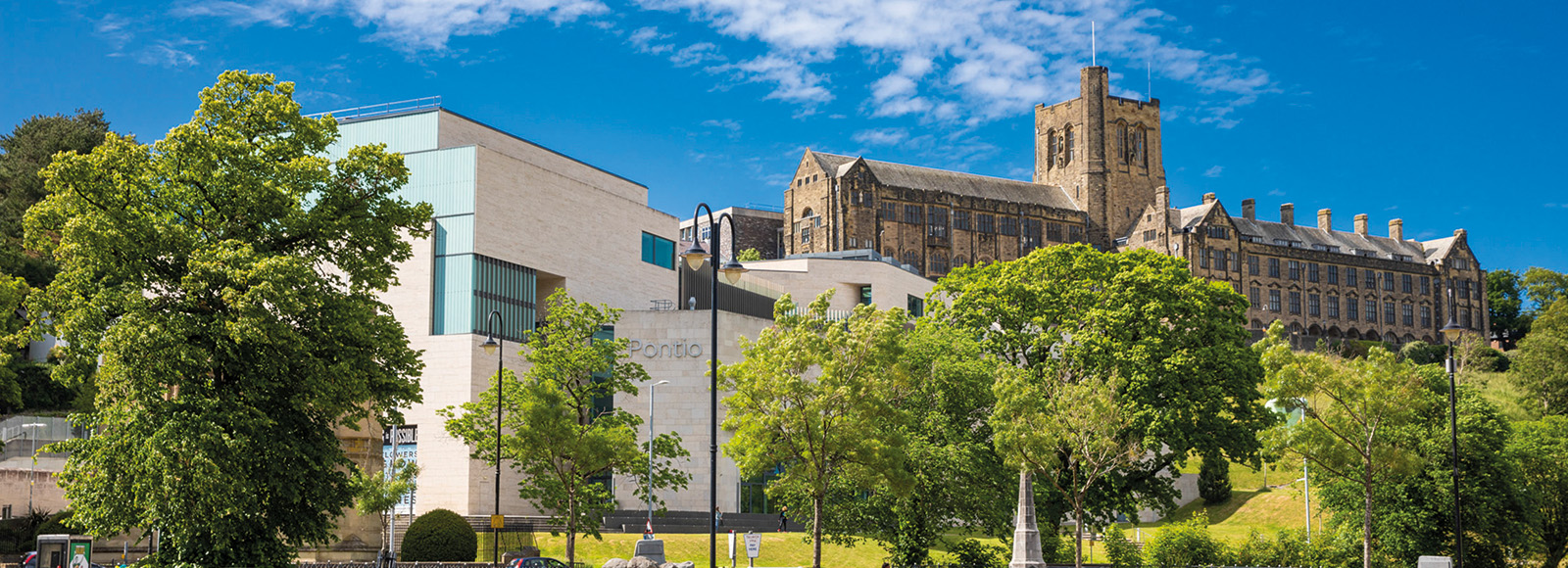
Your Future in Action. Nestled between the mountains and the sea in North Wales, Bangor University offers a postgraduate experience shape...