Postgraduate Studentships - Search for funding opportunities.




Postgraduate Studentships - Search for funding opportunities.


 Study Details: 1 year
Artificial Intelligence (AI) is being integrated into many engineering disciplines, enabling self-training complex robotic systems, predictive maintenance of civil infrastructure and accelerated simulation tools. This MSc course will equip you with understanding of AI technologies and the skills to utilise them to solve engineering challenges across multiple disciplines.
You will develop an extensive understanding of machine learning, autonomous agents, real-time intelligent systems and data science and modelling techniques. You'll be working hands-on with state-of-the-art hardware, software and data, and you'll have the opportunity to build a system from scratch using the specialist labs in the University. Optional modules to further develop your skills in areas that interest you include natural language processing, machine vision, professional issues in AI and autonomous systems such as driverless cars and un-crewed aerial systems (UAVs).
In addition to taught modules, you will undertake an individual research project, working alongside world-class academics and using state-of-the-art facilities. The project provides an opportunity to apply your knowledge to a real engineering problem, often in collaboration with industry or research centres.
Graduates from this programme are well-equipped to lead in the development and use of AI tools and systems across disciplines from automotive, industrial and aerospace to robotics, green energy and biotech.
Accredited by the Engineering Council UK, Institution of Engineering and Technology and the Institute of Measurement and Control.
Minimum 2:1 undergraduate honours degree in a relevant subject with relevant modules.
Our courses are shaped by strong industry connections and cutting-edge research. Our Industry Advisory Board - featuring representatives from leading companies across the sector - ensures our programmes remain globally competitive and aligned with evolving industry needs.
Graduates from this course have gone on to work at major companies including Leonardo and Network Rail. They take up roles as software engineers, developers, AI researchers or data scientists. Some choose to pursue further study through research degrees.
Throughout your studies, you'll have opportunities to attend industry talks, career fairs and networking events. You can also apply for additional mentorship through our Career Mentoring Scheme, which pairs students with alumni working in industry. Our Careers and Employability Service offers a wide range of support, including drop-in sessions, workshops, webinars and events - focused on career planning, work experience, employer insights, CV writing, interview techniques and more.
Core modules:
Individual Research Project
The Ethics of Artificial Intelligence
Modern Control & System Identification
Agent-Based Modelling and Multi-Agent Systems
Data Modelling and Machine Intelligence
Deep Learning
Data Science with Python
Optional modules - up to 30 credits from:
Machine Vision
Advanced Control
Mobile Robotics and Autonomous Systems
Natural Language Processing
Multisensor and Decision Systems
Text Processing
Industrial Training Programme in Artificial Intelligence for Engineering
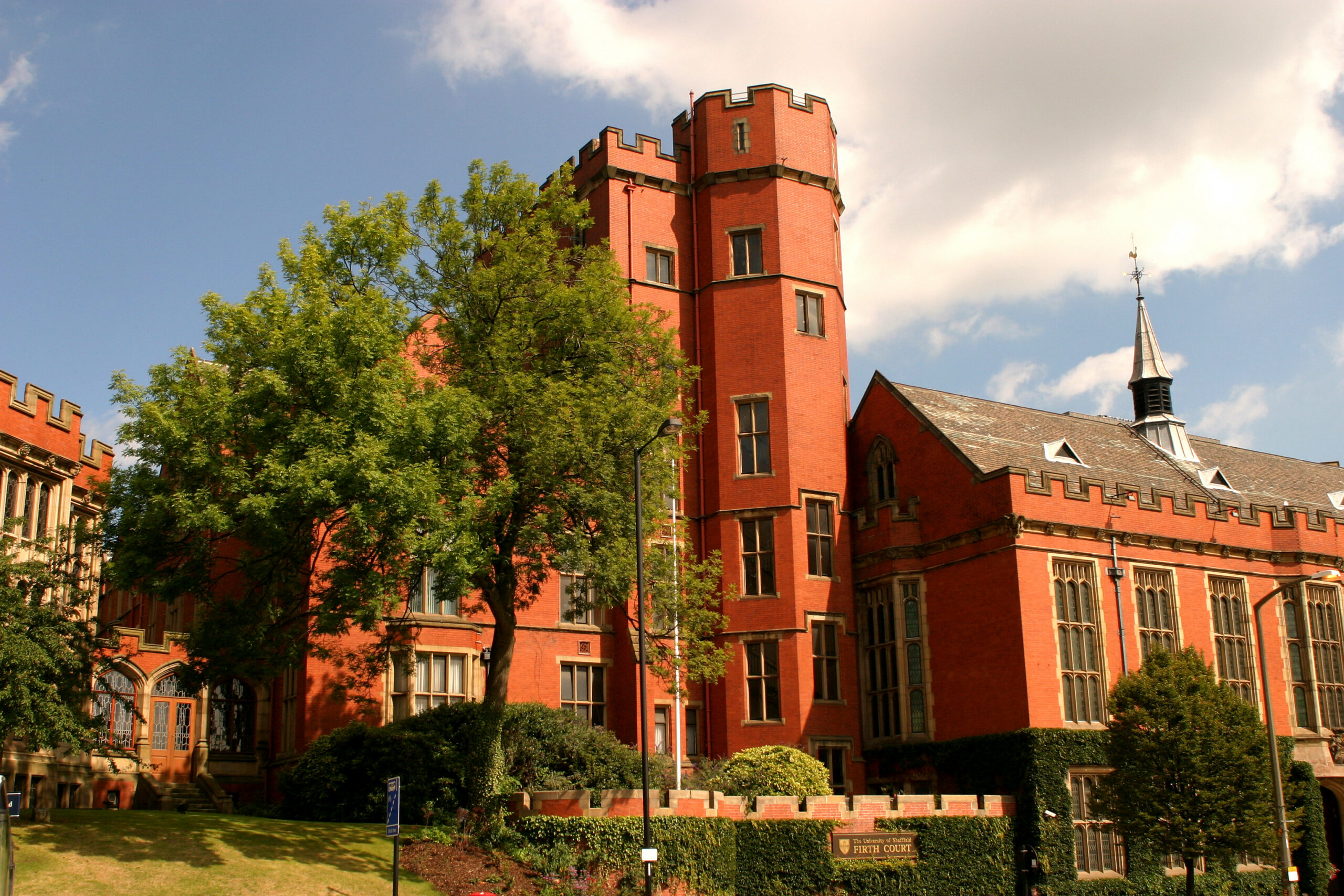
A QS world top-100 university Studying at the University of Sheffield means you’ll get the future that follows a degree from a Russell Group Universit...


 Wed 29 Apr 2026