Postgraduate Studentships - Search for funding opportunities.




Postgraduate Studentships - Search for funding opportunities.



 Study Details: 1 year
This course will prepare you for a career protecting biodiversity in a range of natural, agricultural, and urban ecosystems around the world.
You'll learn all about conservation issues in major ecosystems, from tropical forests to cities, and coral reefs to the deep sea, and the constraints posed by budgets, policy, and legislation. We’ll also show you how environmental change can impact biodiversity and how the effective management of ecosystems can positively impact both biodiversity and the ecosystem itself.
Fieldwork is a big part of the course. You'll gain hands-on experience in designing and conducting projects in the field, helping you to understand the challenges faced in real-world conservation projects. You'll also receive training in the principles of experimental design and data collection, equipping you with the key skills to plan, manage, and generate data from your own research.
To embed your learning, you’ll take part in a residential field course on the North Norfolk coast, one of Europe’s premier wildlife sites and a region with significant conservation challenges and varied management efforts.
The biggest part of your course is your independent research project. Here, you’ll spend three months researching an area of biodiversity or conservation that matches your interests, ready for your future career. You could be field-based, lab-based, or complete a computational data-driven project, tackling topics such as urbanisation, ecosystem services, tropical deforestation, and marine conservation.
Examples of previous research projects include:
Minimum 2:1 undergraduate honours degree in a relevant subject with relevant modules.
This MSc will give you first-hand experience of global conservation issues across animal and plant biodiversity. It’s great preparation for careers in policy making, research and academia, implementing positive change.
Our previous graduates are now working in roles including:
If you’re thinking about continuing your research training, you'll be well equipped to pursue a PhD in topics such as ecology, evolution and conservation. Our graduates have progressed onto PhDs researching topics including agroecology, the impacts of pesticides on aquatic plants, biodiversity of the marine benthos and the environmental impact of non-native species.
Core modules:
Advanced Data Handling and Analysis
Advanced Scientific Skills
Field Biology
Literature Review
Individual Research Project
Optional modules:
A student will take 60 credits (four modules) from this group.
Global Conservation Issues
Agricultural Ecology in a Changing World
Biodiversity in Space and Time
Global Sustainability
Research Methods in Avian Biodiversity and Conservation
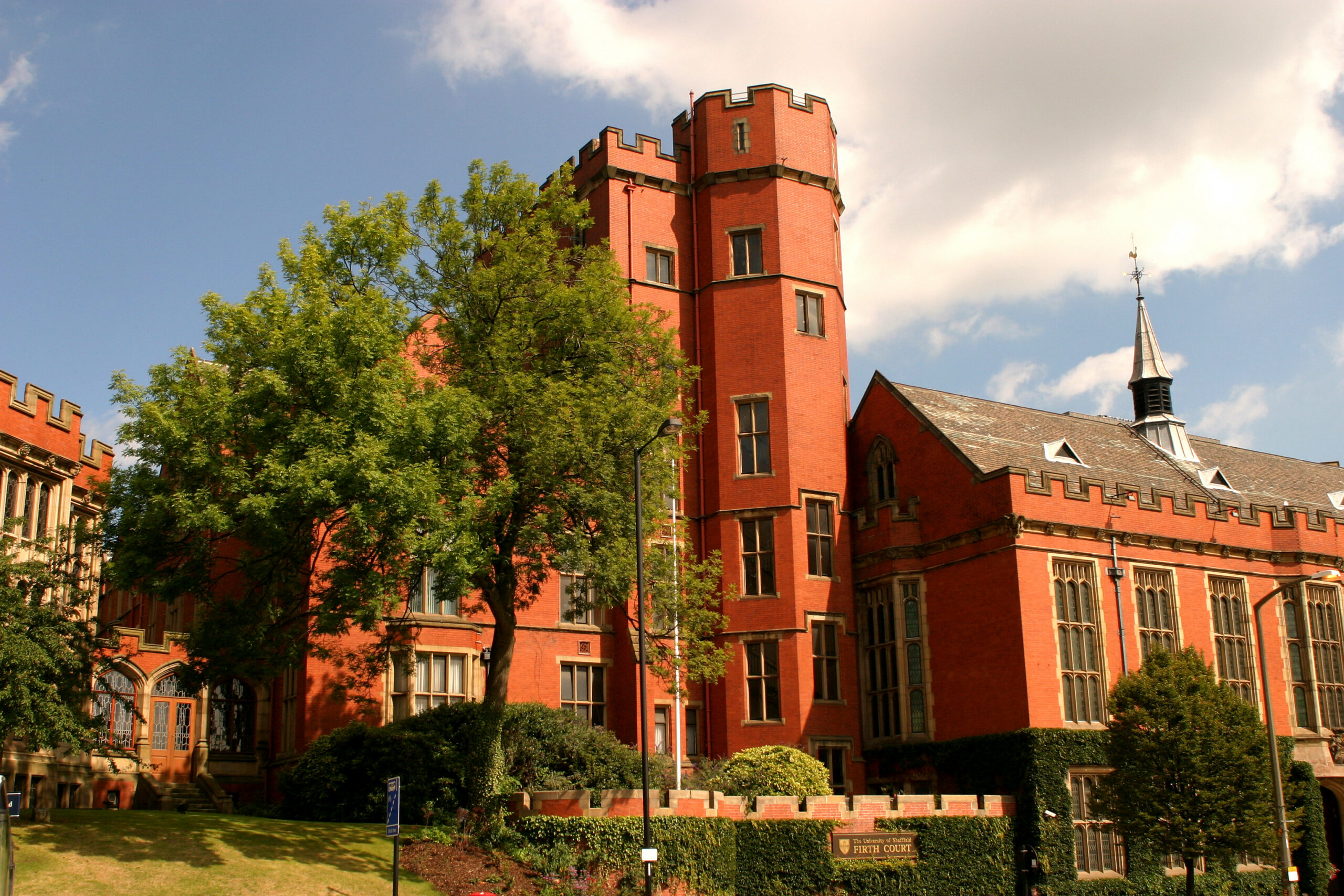
A QS world top-100 university Studying at the University of Sheffield means you’ll get the future that follows a degree from a Russell Group Universit...


