Postgraduate Studentships - Search for funding opportunities.



Postgraduate Studentships - Search for funding opportunities.


 Study Details: 1 year
Biomedical science research aims to understand how the human body functions in health and disease, allowing scientists to develop treatments that can improve and save lives.
This course will build on your background in eukaryotic molecular or cellular biology, developing you into a capable laboratory scientist, ready for your next step towards a PhD, or specialist roles in industry or the NHS.
You’ll focus on one of two specialist pathways, equipping you with core knowledge and practical skills in the area of cutting-edge biomedicine that most interests you.
If you choose our Stem Cell and Regenerative Medicine pathway, you’ll be trained how to culture, manipulate and analyse human stem cells, learning directly from our experts in the Centre for Stem Cell Biology. You’ll also master techniques such as stem cell and 3D organoid cultures, manipulation of animal models used to study human disease, in-situ hybridisation and fluorescence microscopy.
Our Cell Biology and Drug Development pathway allows you to explore cell and animal models and cutting-edge techniques used in the drug discovery industry. Through hands-on training, you’ll develop real-world skills from robotics and automation to cell culture, biomedical assays and high-throughput drug screening.
On both pathways you’ll also study lecture modules that will give you a deep understanding of the core concepts underpinning the pharmaceutical industry. You’ll develop your scientific, analytical, and critical thinking skills, too. We’ll teach you how to present your science in writing and other media, use R statistical analysis software and critically interpret scientific literature.
Minimum 2:1 undergraduate honours degree in a relevant subject with relevant modules.
This masters will train you in specialist research techniques, as well as giving you experience of using industry standard technology. It’s great preparation for a career in research and development within academia, healthcare or the pharmaceutical and biotechnology industries.
Our previous graduates are now working in roles including:
If you’re thinking about continuing your research training, you’ll be well equipped to pursue a PhD in areas as diverse as stem cell biology, translational neuroscience, tissue regeneration, and cancer.
All students will study:
Literature Review and Research Proposal
Advanced Scientific Skills
Critical Analysis of Current Science
Research Project
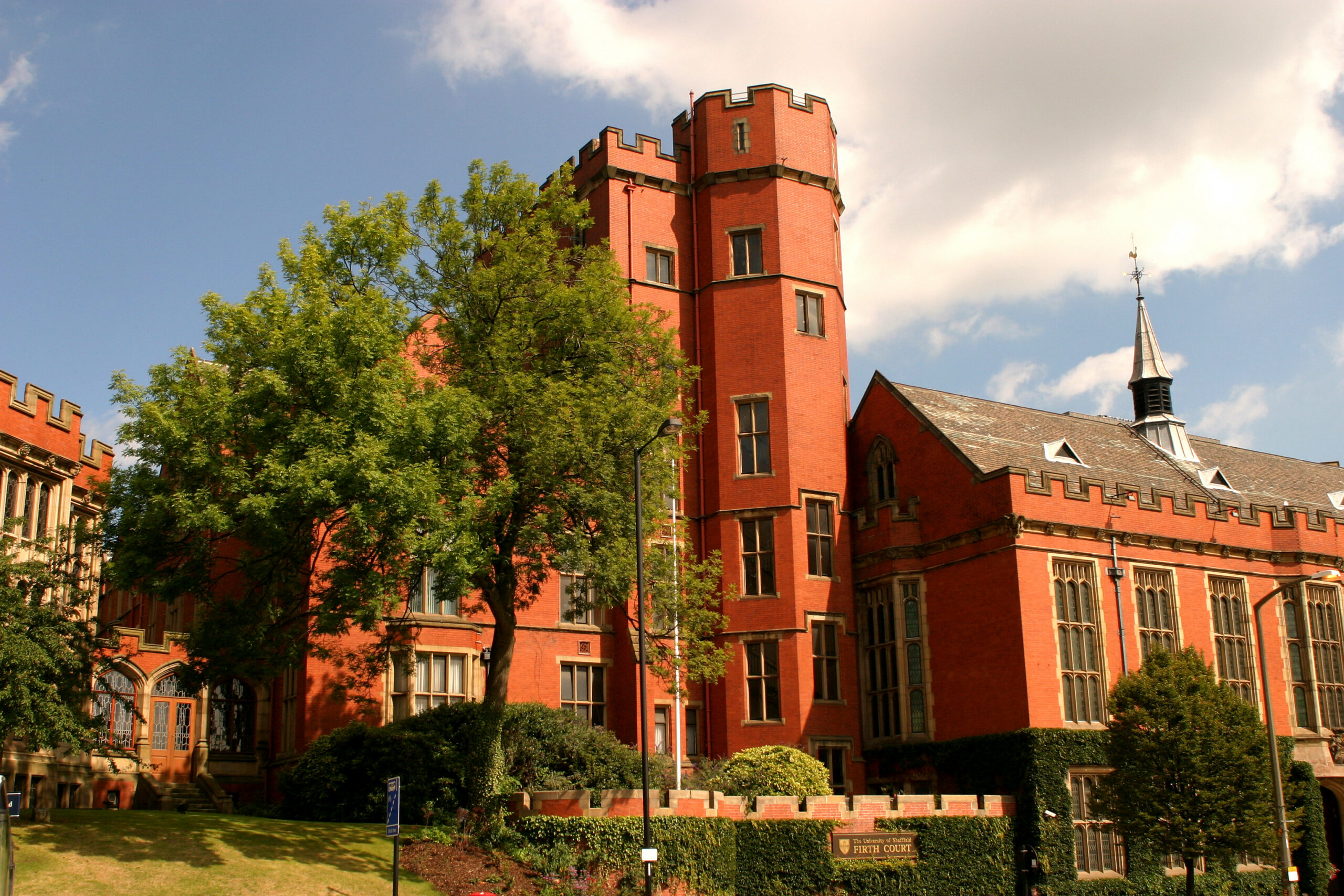
A QS world top-100 university Studying at the University of Sheffield means you’ll get the future that follows a degree from a Russell Group Universit...


