Postgraduate Studentships - Search for funding opportunities.



Postgraduate Studentships - Search for funding opportunities.


 Study Details: MLitt: up to three years PGDip: up to two years PGCert: up to one year
Unlock the power of digital tools in art history research and elevate your career with in-demand skills embraced by leading museums and galleries worldwide.
Why study this course?
Discover the future of art history with our interdisciplinary online Masters programme, where art history meets cutting-edge computer science.
This unique programme equips you with in demand digital and analytical skills at the intersection of art history and computer science, preparing you for careers in museums, cultural heritage, academia and beyond.
Highlights of the course
Whether you're passionate about preserving cultural heritage, analysing digital art, or reimagining how we experience history, this Masters programme prepares you to lead in a world where technology and art converge.
Our programme brings together the expertise of the UK’s top-ranked School of Computer Science and our world-renowned School of Art History where you will learn advanced computational techniques with traditional art history methods, empowering you to push the boundaries of how we analyse, interpret, and visualise art historical data.
Working with live data and live collections from university collections, ArtUK and the McManus Gallery, you will explore key contemporary topics.
You will learn:
You will develop and explore your own research questions to test your new computational skills in action, using the techniques needed to succeed in an increasingly digital world, including:
Dive into the future of art history with innovative tools and insights that redefine how we understand the past.
Add more value to your degree
Students enrolled in Digital Art History will receive complimentary access to the Mediation Training Theory online short course. This self-paced course will provide you with practical skills and theoretical insights into effectively managing and resolving conflict, which is valuable in a wide range of professional and academic settings.
A 2.1 Honours undergraduate degree. If you studied your first degree outside the UK, see the international entry requirements.
The qualifications listed are indicative minimum requirements for entry. Some academic Schools will ask applicants to achieve significantly higher marks than the minimum. Obtaining the listed entry requirements will not guarantee you a place, as the University considers all aspects of every application including, where applicable, the writing sample, personal statement, and supporting documents.
Application requirements
£1,250 per 15 credits with an estimated total fee of £15,000.
Alumni of the School of Art History have gone on to work in a variety of global, commercial, financial, and research institutions, including:
The Careers Centre offers one-to-one advice to all students as well as a programme of events to assist students in building their employability skills.
PG Cert & PG Dip
Students studying for a PGCert take three modules in Art History and one module in Computer Science from those listed below. Those studying for a PGDip take five modules in Art History and three modules in Computer Science from the following.
MLitt
Those studying for an MLitt take five modules in Art History, three modules in Computer Science and complete a dissertation or final project in an agreed subject.
Dissertation or final project
Following the successful completion of the coursework, MLitt students undertake a dissertation module of 60 credits (15,000 words). The dissertation should demonstrate an element of independent thinking or originality of thought in the establishment of the argument and be based upon clearly founded research, analysis and interpretation. It should demonstrate the organisational and presentation qualities required for academic work.
The dissertation can follow the traditional route of a 15,000-word thesis, or can be delivered via an alternative format structure of a 10,000-word thesis plus 5000-word related digital project. Students can expect to meet with their supervisors at least three times during the research and writing of their dissertations and to make appropriate arrangements for the submission of drafts and timely feedback.
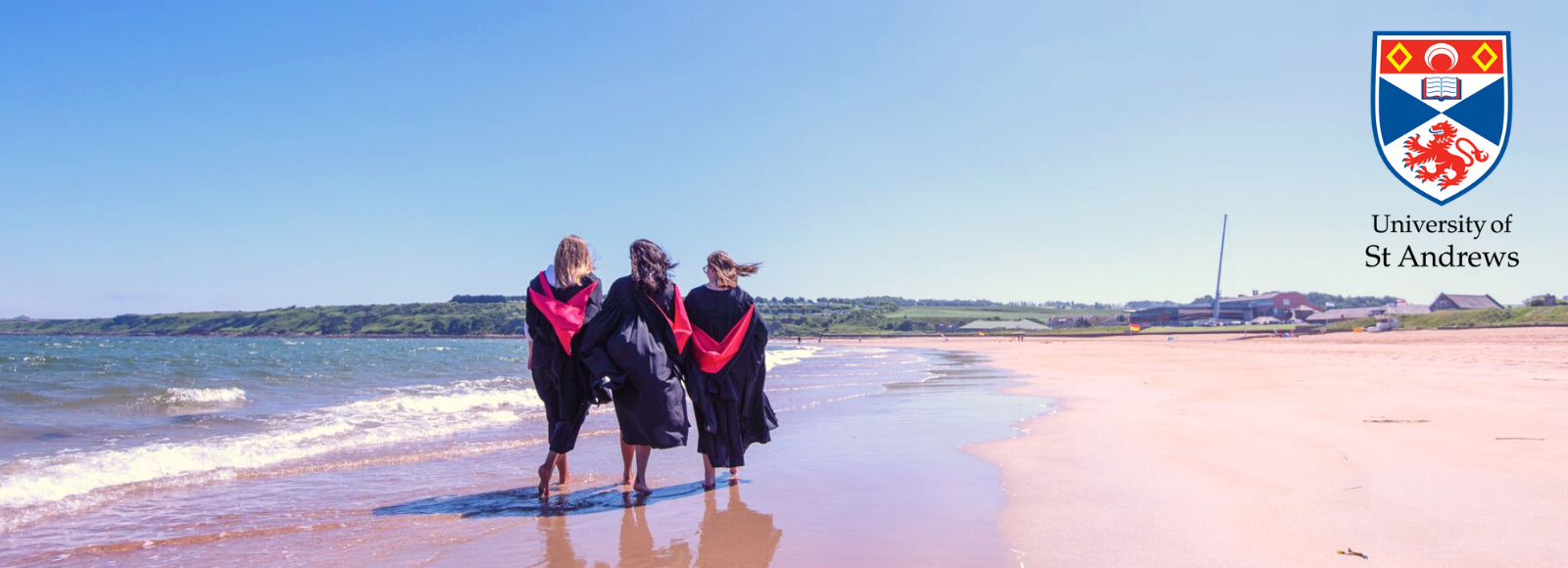
Scotland’s first university, an experience like no other Masters programmes to help you find your future. Are you looking to earn an outstanding post...