Postgraduate Studentships - Search for funding opportunities.



Postgraduate Studentships - Search for funding opportunities.


 Study Details: Full-time: 1 year, Part-time: 2 years
In this MSc programme, you don’t just study the theory and background to security, intelligence and disaster management. You will apply this knowledge to real-life situations as you evaluate contemporary practices in areas such as risk assessment, emergency response, counterterrorism, climate adaptation and disaster risk reduction and learn to develop practical solutions to complex problems. Studying this programme will equip you with knowledge, skills and vocational attributes that can develop or enhance a range of career paths in these fascinating areas.
Our MSc degree has been carefully designed to improve your knowledge and understanding of key aspects of intelligence, security and disaster management.
Our programme brings together insights from a wide range of disciplines across Social Sciences, Natural Sciences and Public and Environmental Health. This unique combination will enable you to develop a comprehensive understanding of contemporary issues such as:
violent extremism and its varied manifestation in the modern era (terrorism, radicalisation, social disorder etc.)
security and threat vectors
disruptive events (disasters, emergencies, pandemics, security incidents etc.); their causes, impacts and management
the climate crisis and the social impacts of changes in the natural environment,
humanitarian assistance in evolving and unsecured territories.
For the MSc you will usually need:
An undergraduate degree (2:2 or above) in a social science subject (criminology, sociology, psychology, international relations, policing, criminal justice), natural sciences (including but not exclusive to geography, earth sciences) or health (across a range of programmes to be discussed with programme leader), business studies or economics.
If English is not your first language, you will also need IELTS 6.5 with 5.5 in each skills area.
Our MSc Intelligence, Security and Disaster Management opens up many career options, in the UK and overseas, whether you want to work within government, the private sector or the wider humanitarian sector. Typical roles where the knowledge and skills from this programme can be applied include:
Emergency planning officer in private, charity or public sector roles
Crisis management professional
Risk assessor and/ or insurance specialist
Atomic and nuclear emergency response
First responder roles (Police, Fire and Ambulance Services)
Civil service professional specialising in emergency planning, climate adaption, infrastructure protection etc.
Business continuity expert
Humanitarian aid professional
Intelligence roles in military or civil intelligence and/or security services
Counter-terrorism analyst
Community engagement officer (disaster preparedness)
Community engagement officer (preventing violent extremism)
Private sector security consultant
Environmental and public health roles
Disaster relief specialists.
Core Modules:
Introducing Risk and Managing Disasters
Research and the Skilled Practitioner
Independent Research Study
Optional Modules:
Understanding Radicalisation
Health Protection
Geoscience and Security
Contemporary Issues in Intelligence and Security
Concepts of Global Terrorism
Global Public Health Issues
Disasters and Humanitarian Aid Response
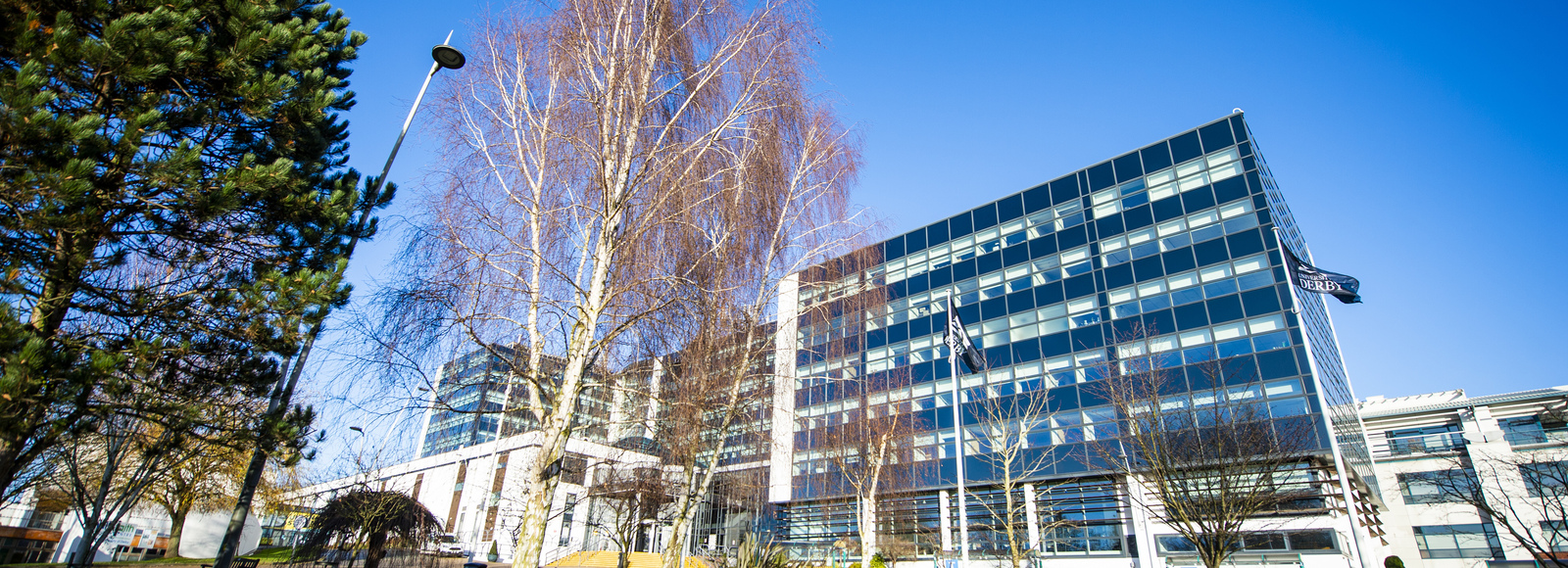
Transform your future at the University of Derby Whether you want to step up the career ladder, change paths or pursue your passion for a subject you ...


