Postgraduate Studentships - Search for funding opportunities.



Postgraduate Studentships - Search for funding opportunities.



 Study Details: 1 year
We are continually surrounded by differing viewpoints and messages. This content is shaped in different ways, advocating viewpoints and constructing campaigns to influence public opinion, audiences and policymakers.
Our course teaches you to be an expert in both the analysis and development of messages from groups such as political parties, public and governmental institutions, pressure groups, charities and NGOs.
You'll learn about media relations, political marketing and the scope and significance of political communication. You'll also develop skills in persuasive communication, including communicating with the media, media training, and using different media outlets to promote ideas through advocacy and lobbying.
Our teaching provides a thorough, critical understanding of key debates around the intersection of the media and international public and political communication.
Minimum 2:1 undergraduate honours degree in any subject.
Within 15 months of graduation, our students launch straight into roles such as:
Many of them find work in local government, education and the third sector. Workplace destinations include:
Find out more about our graduates and where they go on to work.
Core modules:
Visual political communication
Media, Society and International Crises
Research Methods
Introduction to Political Communication
Communicating with the Media
Dissertation (International Public and Political Communication)
Optional modules
You will choose three of the following:
Transnational Feminist Approaches to the Media
The Use (and Abuse) of Radio and Digital Technologies in Conflict-Affected Areas
Critical Incidents in International Journalism
Weaponisation of the media: abuses of the principle of publicity
Journalism and Society
Big Brother: Communicating conspiracy theories
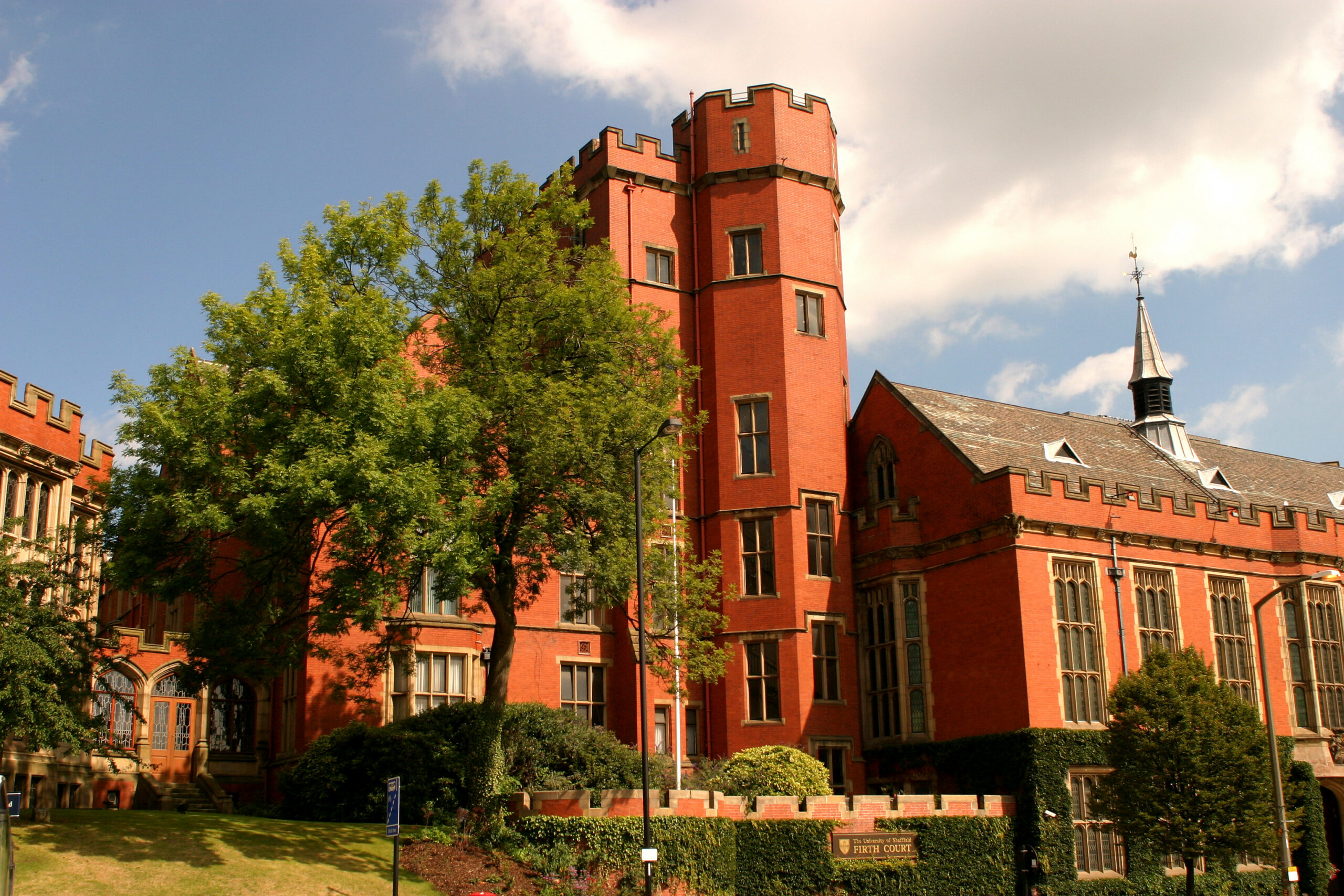
A QS world top-100 university Studying at the University of Sheffield means you’ll get the future that follows a degree from a Russell Group Universit...