Postgraduate Studentships - Search for funding opportunities.




Postgraduate Studentships - Search for funding opportunities.


 Study Details: MA: One year, full-time/two years, part-time. MFA: Two years, full-time. Full-time on-site attendance between July and October is not mandatory.
In the first three terms of the course, students will learn the principles underlying dramatic writing, gain an understanding of industry practices and explore the differences between writing for different media. In their final term, MA students will complete one script for either theatre film radio or television. MFA students will complete two scripts for different media in their second year.
The MA/MFA Writing for Theatre, Film, Radio and Television offers a vocational training in writing drama across a range of different media contexts.
Both the MA and MFA courses provide the opportunity for you to develop the core competencies and skills of the dramatist, to explore your ‘voice’, to develop your confidence in your own writing and to understand the different media contexts within which you might work as a professional scriptwriter.
You should normally have an undergraduate degree in the broad field of literary and/or performance and drama studies; or a first degree and sufficient experience of either writing or drama practice; or have appropriate professional experience; or can otherwise demonstrate your potential to undertake this form of postgraduate study successfully. An offer will normally only be made after interview.
An MFA top-up year for those with an existing MA in writing for dramatic media is available. During this year writers will produce two ‘calling card’ scripts and a professional development portfolio.
See our website for fees
Graduate employment and career pathways include:
Writer in theatre, radio and/or screen-related industries.
Script Editor, Literary Manager, Writing Tutor, work with script development, dramaturgy, creative partnership schemes, copy editing, and writers in education and the community, such as the Writers in Prisons Foundation.
Developing stories
The working writer
Writing for theatrical and broadcast media
Sustained independent work
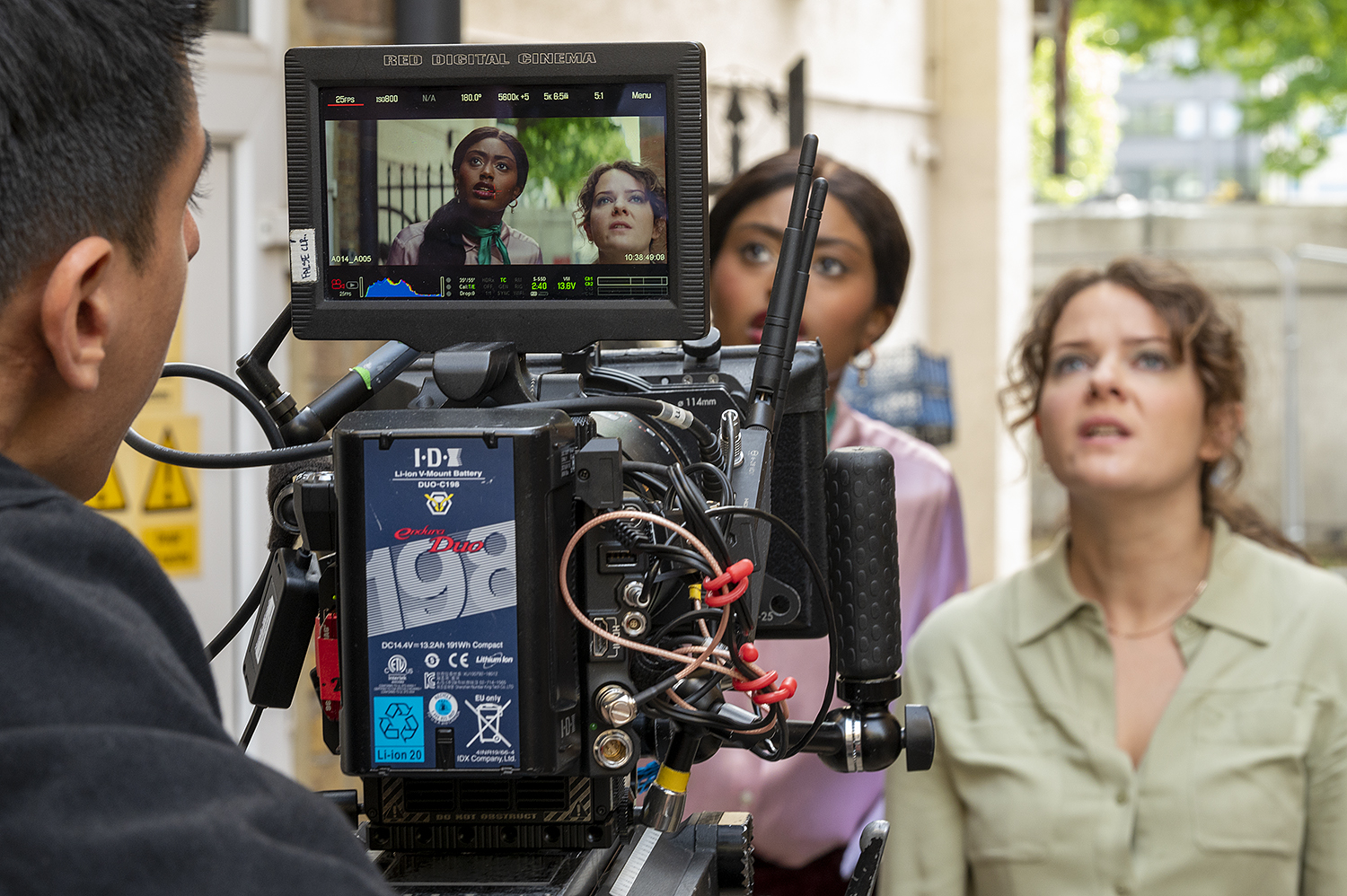
The Royal Central School of Speech and Drama is a small specialist institution of the theatrical and performing arts within the University of London....


