Postgraduate Studentships - Search for funding opportunities.




Postgraduate Studentships - Search for funding opportunities.



 Study Details: 1 year
Find out about courses, learn about the application process, and discover how we can help you achieve your professional goals.
This MA in Criminology and Sociology combines two academic disciplines within the school. The course draws on the expertise of our criminologist and sociologist and explores the sociological context of issues in criminology.
A broad range of criminology and sociology subjects are studied which develop knowledge and understanding of a broad spectrum of topics within this field including; crime, organisations and administrations in the field of criminal justice, the social causes and consequences of crime, social change and social structures, culture and identity and related issues.
The broad yet specialised nature of this degree allows students to develop advanced and specialised knowledge alongside skills in criminological and sociological research.
On completion of the course, students will be able to:
Full Time Study: This course normally lasts for a period of twelve months. Taught modules are undertaken during the period of September to May, and the dissertation element completed from May to September.
Part Time Study: This course normally lasts for a period of two years. Taught modules are undertaken from September to May over a period of two years. The dissertation is written mainly in the summer between year 1 and year 2.
This MA in Criminology and Sociology is taught in two parts.
Part 1: Students must take 120 credits from modules that include;
Part 2: Research Dissertation (60 credits) Under guidance of a dissertation tutor, students will undertake a piece of research independently on a topic of their choice. This may be a piece of empirical research including primary or secondary data analysis or a theoretical dissertation. Part-time students in employment may choose a topic related to their profession and an area in which they wish to develop further expertise and specialisation The dissertation is normally around 20,000 words in length.
Please note that course content is guidance purposes only and may be subject to change.
MA students can also choose to take part in the schools lecture series. During the lecture series visiting guest speakers and Bangor University staff present research and discuss topics related to social policy, criminology, history, philosophy and sociology.
A single or joint honours degree of at least 2(ii) in Criminology, Sociology, Law, Political Science, Social Studies, Social Policy, or a related academic discipline.
Applications from candidates who have relevant professional experience in lieu of a bachelor degree will also be considered. All applicants in this category will be invited for interview.
If your native language is not English, you must provide satisfactory evidence that you have an adequate knowledge and understanding of written and spoken English:
The course prepares for a wide range of employment including:
This MA in Criminology and Sociology is taught in two parts.
Part 1: Students must take 120 credits from modules that include;
Other modules offered include:
Part 2: Research Dissertation (60 credits)
Under guidance of a dissertation tutor, students will undertake a piece of research independently on a topic of their choice. This may be a piece of empirical research including primary or secondary data analysis or a theoretical dissertation. Part-time students in employment may choose a topic related to their profession and an area in which they wish to develop further expertise and specialisation The dissertation is normally around 20,000 words in length.
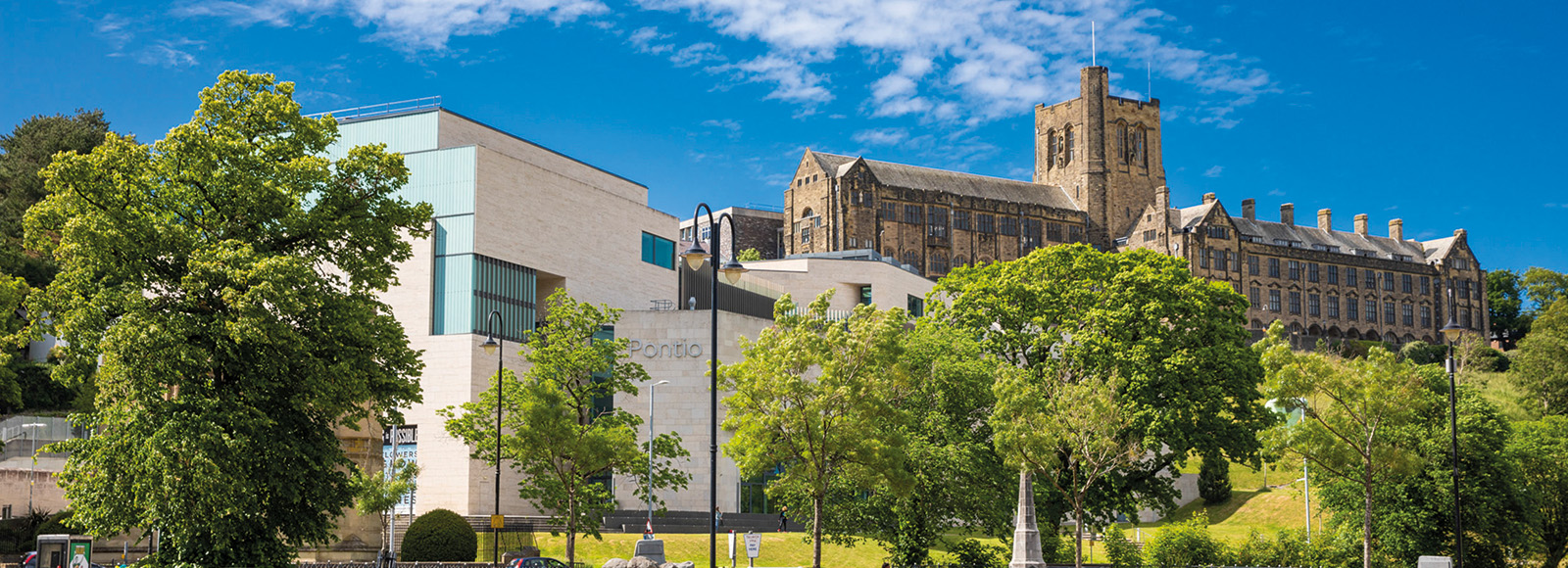
Your Future in Action. Nestled between the mountains and the sea in North Wales, Bangor University offers a postgraduate experience shape...


