Postgraduate Studentships - Search for funding opportunities.



Postgraduate Studentships - Search for funding opportunities.


 Study Details: 1 year full-time; 2 years part-time
This Global Heritage MA explores and evaluates national and international measures and mechanisms that seek to manage and protect tangible and intangible heritage. Students gain a critical understanding of World Heritage Sites – the nomination process, management, and forward planning: particular emphasis is placed on sustainable tourism and the need to engage local communities in their heritage. The role of cultural heritage within past and contemporary societies forms a key element of this Global Heritage MA and students are introduced to a range of issues central to current debates on the definition, diversity, and contested nature of heritage on a global and national scale.
Embedded in this Global Heritage MA is a strong training element to enhance career prospects. Workshops are provided on public history (approaches and community engagement; oral history (techniques and ethics); digital heritage sources; writing for the media; and heritage project management – all valuable transferable skills for employment in the heritage sector. The close proximity to Bangor University of two UNESCO World Heritage Sites – the ‘Castles and Town Walls of King Edward in Gwynedd’ and the newly inscribed 'Slate Landscape of Northwest Wales’ is an asset to this programme and provide case study opportunities for students.
This is our Full-time on campus course. We also offer a Distance Learning option with a September and an January start (MA Global Heritage (MA/GHDL). Please contcat us for details
A minimum 2.ii undergraduate degree or equivalent in a relevant subject area (e.g. History, Heritage, Archaeology, Literary Studies, Medieval Studies/Literature, English Literature, Social Sciences, American Studies, Law).
Applicants with equivalent qualifications and/or relevant heritage industry experience and applications from working professionals with non-graduate qualifications will be considered on an individual basis. Please contact us for more information.
See our website for fees
Students graduating with a Global Heritage MA are well-placed to embark on careers in tourism, heritage management, curation, community support and administration, and outreach education. More broadly, graduates can enter a wide range of employment which require skills of communication, analysis, and an understanding of human nature. These include teaching, researching, management and administration.
This Global Heritage MA is taught through a combination of lectures, seminars, workshops, and fieldwork. Students are assessed through a combination of essays, reports, reviews, case studies and a dissertation.
Compulsory modules provide students with a detailed understanding of how heritage works in practice:
You will also have the opportunity to select a further 40 Optional credits from a list of available modules, which may include:
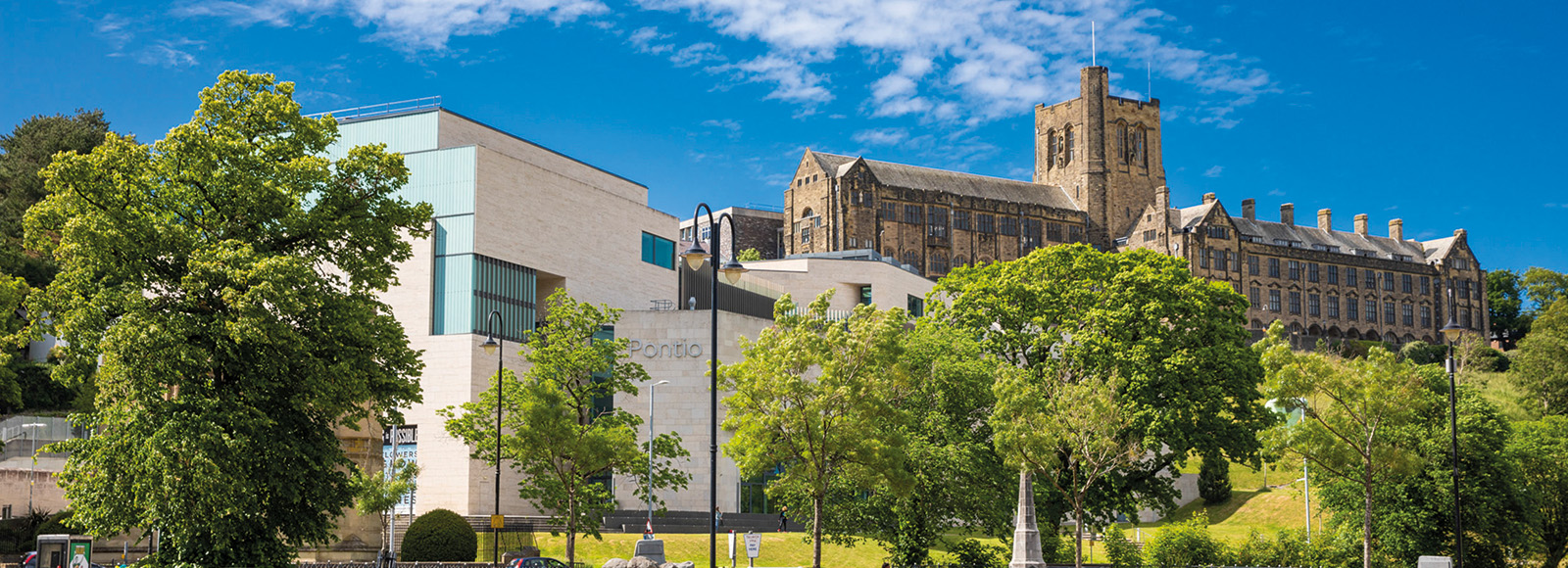
Your Future in Action. Nestled between the mountains and the sea in North Wales, Bangor University offers a postgraduate experience shape...


