Postgraduate Studentships - Search for funding opportunities.




Postgraduate Studentships - Search for funding opportunities.


 Study Details: 1 year
This course is designed to provide you with advanced research training in the scientific analysis of human skeletal remains within the context of archaeology, palaeoanthropology and forensic anthropology. It’s a great next step if you’re keen to build on your human anatomy and osteology knowledge from your undergraduate degree and prepare for an exciting career in the ever-evolving field of human bioarchaeology.
Practical work is a big part of the course. We’ll train you in a range of scientific analytical techniques and methods that are essential to answering key questions in bioarchaeology. You’ll cover radiography, histological and microscopic approaches, chemical and isotopic techniques, ancient DNA analysis, lipid analysis and proteomics.
Alongside this, you’ll develop a range of specialist skills that are needed in functional anatomy. We’ll teach you how to identify bones, how they function, how they vary based on sex and age, and how disease and injury can impact the human skeleton. You’ll also be trained to perform osteological analysis of human bones and learn how to analyse quantitative and qualitative anthropological data.
During your learning, you’ll have access to our extensive collection of archaeological specimens so you can hone your ability to identify, analyse and interpret human skeletal remains. You’ll get hands-on in our anatomy laboratory too, where you’ll have access to real human von Hagen plastinates and our full-size interactive digital Anatomage tables, allowing you to explore the human body layer by layer.
You’ll even have the chance to apply your new knowledge and skills during optional field trips and archaeological visits off-campus.
Your practical work will be complemented by lectures covering the development and theory behind bioarchaeology and osteology. Science communication training will form part of your learning, as you discover how to produce cutting-edge visuals and audio to communicate your research.
Minimum 2:1 undergraduate honours degree in a relevant subject.
With practical experience conducting analysis of skeletal remains, coupled with the theoretical training you’ll receive on this course, you’ll be well equipped to pursue a range of careers in academia, commercial archaeology, heritage management and museums.
Our previous graduates are now working in roles including:
If you’re thinking about continuing your research training, you’ll be well-equipped to pursue a PhD in a range of areas. These could be as diverse as health and disease in past populations, hominin evolution, human skeletal growth, variation and adaptation, and the development of new methods for studying human bone and teeth.
In addition to those listed below, your modules could also include:
Applied Biological and Forensic Anthropology - 15 credits
Advanced Forensic Anthropology: pathology and trauma - 15 credits
Advanced Functional Anatomy - 15 credits
Topics in Human Evolution - 15 credits
Human Skeletal Anatomy - 15 credits
Science Communication Skills - 15 credits
Dissertation (Journal Paper Style)
Advanced Scientific Skills
Applied Bioarchaeological Science
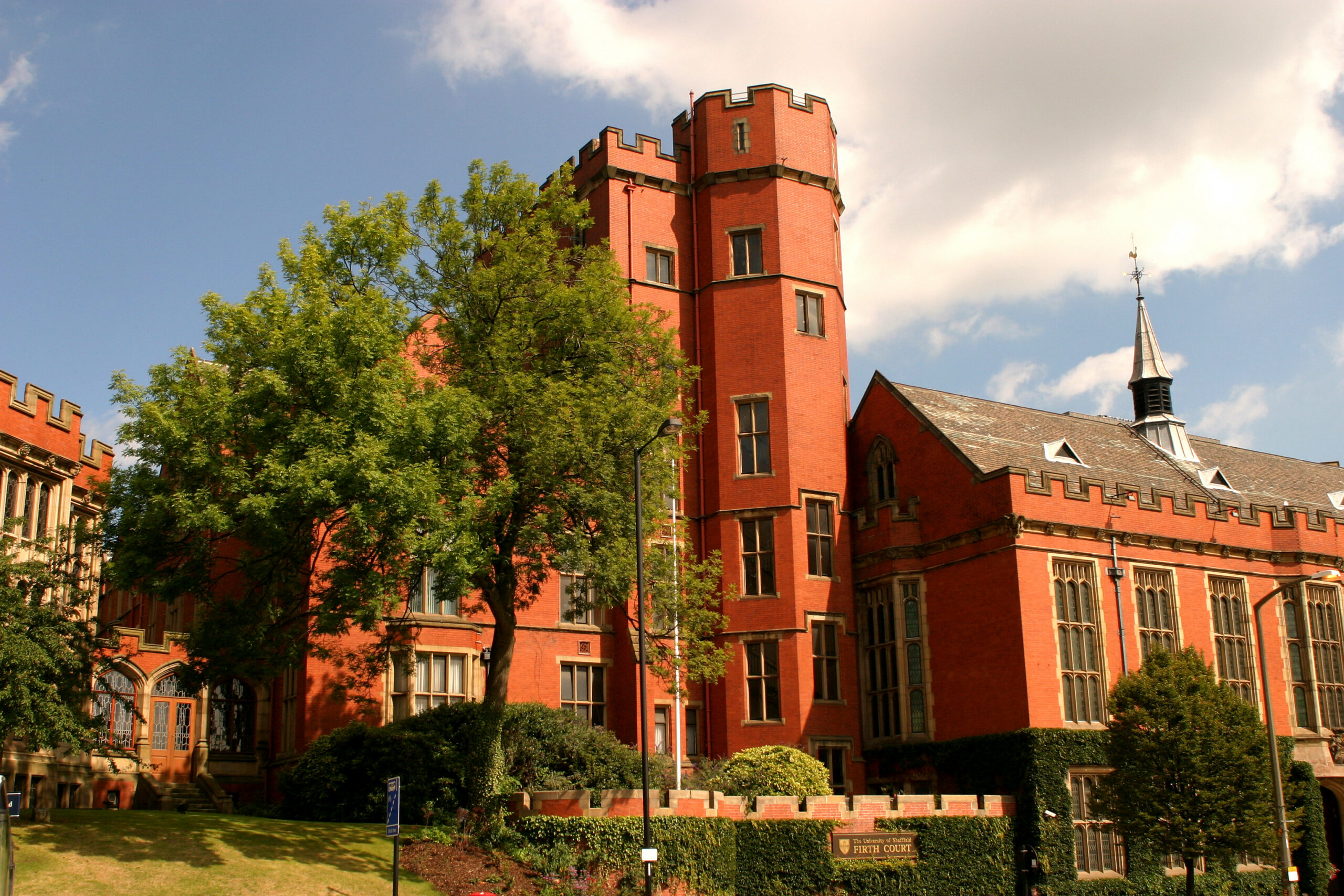
A QS world top-100 university Studying at the University of Sheffield means you’ll get the future that follows a degree from a Russell Group Universit...


 Wed 29 Apr 2026