Postgraduate Studentships - Search for funding opportunities.




Postgraduate Studentships - Search for funding opportunities.


 Study Details: 1 year
We believe that science holds the key to making the world a better place, and that when science is misunderstood, the consequences can be dire. Science communicators are essential, and we want to train you to do it well.
This course will help you develop the skills to communicate science effectively to a wide range of audiences. It's designed around developing you as a science communicator, rather than being a marketing course, and is taught by leading scientific researchers, professional science broadcasters, and experts from the School of Journalism, Media and Communication.
Through hands-on training, you’ll learn how to engage, educate, and entertain people without the same specialist knowledge, covering the latest topics in science. You’ll target a range of different audiences, from science policy and business sectors, to the general public from all ages and backgrounds, giving you an insight into the breadth of potential science communication careers you could pursue.
Your training can cover:
Minimum 2:1 undergraduate honours degree in a relevant subject.
You’ll be well prepared to pursue exciting careers across science, technology, and the media following your masters.
This is because of the practical training and opportunities to get involved in science journalism, film and audio production, public engagement and event organisation throughout your degree.
Our previous graduates are now working in press offices, newsrooms, research institutes and charities, in roles ranging from marketing and communications to planning, outreach and education.
Example roles include:
Core modules:
Engaging with the Public
Research Methods
Communicating with the Media
Topical Science
Ethics and Regulation
Dealing with data for journalists
Science Communication Project
You could also be studying:
- Science Communication Skills (15 credits)
- Science Communication for Professional Impact (15 credits)
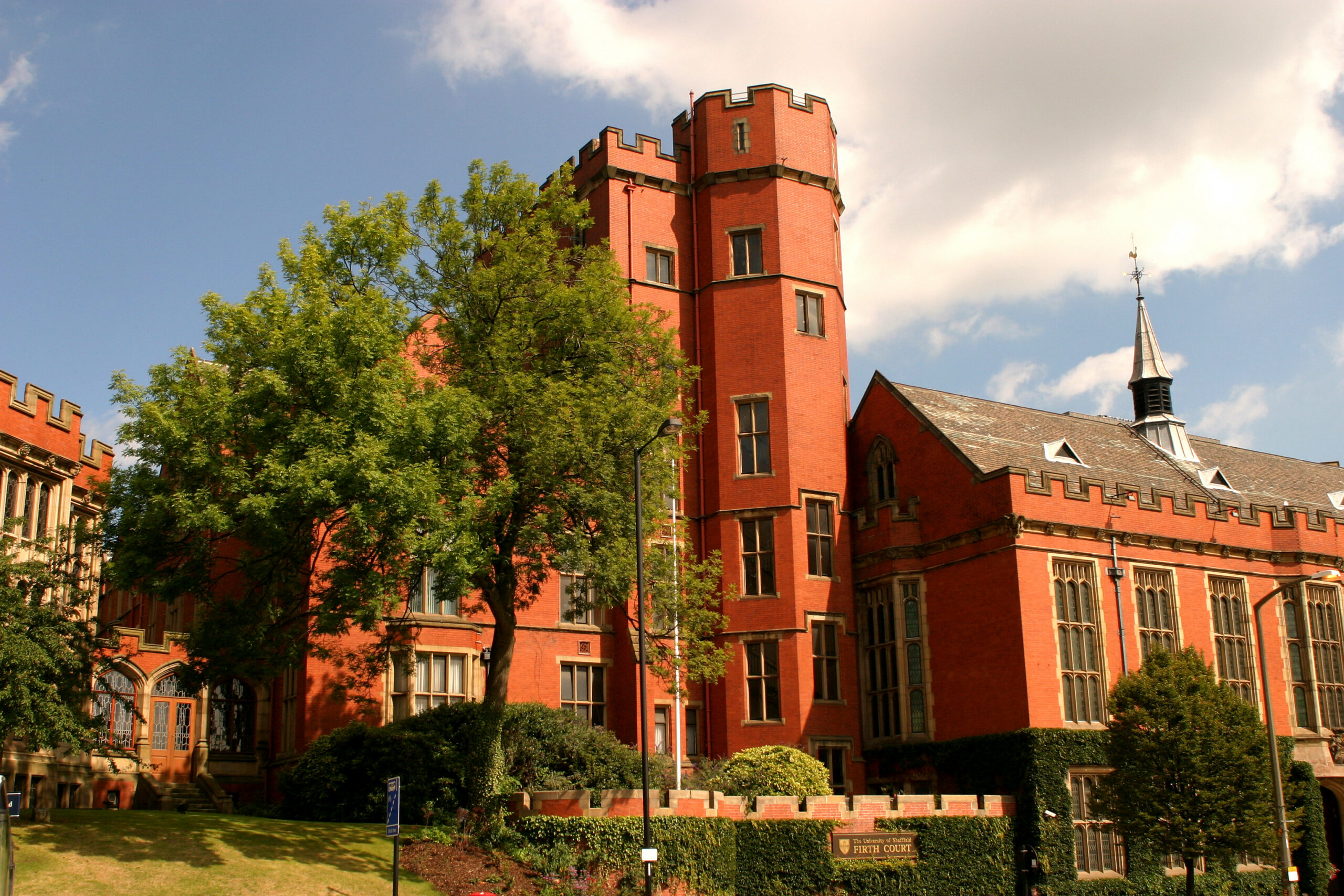
A QS world top-100 university Studying at the University of Sheffield means you’ll get the future that follows a degree from a Russell Group Universit...