Postgraduate Studentships - Search for funding opportunities.




Postgraduate Studentships - Search for funding opportunities.



 Study Details: Full time 1 year, Part time 2 years
Develop advanced social science research skills and prepare to make a substantial contribution to organisations, policy makers and academic debates. Supported by our expert researchers, you’ll gain in-depth knowledge and practical experience of essential qualitative and quantitative research methods for social sciences, alongside core skills in research design, methodology and critical analysis.
The MSc in Social Research at Lancaster University is ideal for those preparing for doctoral study or seeking research expertise for careers in policy, public service, think tanks, or the voluntary sector.
Why Lancaster?
At Lancaster, you’ll join a vibrant intellectual environment within the School of Social Sciences. Renowned for high-quality teaching and research, we are consistently in the world top 100 for Sociology (QS World Subject Rankings).
By joining the MSc in Social Research, you become a part of our multi-disciplinary research community and can benefit from our staff’s experience of taking core research skills into exciting new directions.
We know that strong research depends upon not only personal curiosity and dedication, but also strong networks that support inspiring discussions, constructive feedback, energising collaborations, and impactful results. We engage with research communities, public discussions and contribute to social change. Our staff and students regularly contribute to important public discussions through blogs, lectures, media appearances, podcasts and social media.
On this programme, you will combine deep intellectual engagement with hands-on practice and build your confidence and capacity to carry out methodologically robust social research that makes a difference.
This programme emphasises a scientific and systematic approach to social research. You’ll acquire the critical and analytical tools to engage with pressing social issues and the confidence to design and carry out theoretically informed, methodologically rigorous research. You will:
These skills are embedded through hands-on learning and reflexive practice, supported by authentic assessments designed to build the confidence, capacity and competencies to equip you for a future career in social research.
With expert supervision and access to world-class resources, you’ll be able to shape your learning around your own interests helping you connect methodological training to the issues that matter to you and the organisations and communities you engage with.
An optional module will help you explore how advanced methodological questions intersect with key areas of social concern—such as environment and sustainability, crime and deviance, criminal justice, gender and ethnicity, technology, data, and AI. Your choice of option allows you to engage more deeply with a topic of personal or professional interest and to tailor the direction of your independent research.
Finally, you'll undertake a dissertation: a sustained piece of independent research supported by expert academic supervision. In this piece of work, you will consolidate and apply your learning, engage with emerging debates of specific interest, and develop an original contribution to knowledge in an area that matters to you.
At Lancaster, you’ll join a vibrant research community with opportunities to take part in coffee mornings, film screenings, public events, seminars, and international conferences hosted by staff and students. These events offer space to exchange ideas, develop new projects, and engage with a diverse range of public groups and organisations.
The MSc in Social Research offers the ideal foundation for your next steps—whether in academic research or a professional role that requires expert skills in social science research to influence social change.
2:2 Hons degree (UK or equivalent) in a relevant social science.
For fees and funding options, please visit our website to find out more.
The programme is ideal preparation for careers in:
For those interested in further study, the MSc is fully recognised by the North West Social Science Doctoral Training Partnership (NWSSDTP) and meets the core training requirements for Economic and Social Research Council (ESRC)-funded PhD studentships. Many of our students progress to doctoral programmes in sociology, criminology, education and related fields, and continue their research at Lancaster and other leading institutions.
Core
Critical Quantitative Methods
Data Analysis, Presentation and Research Communication
Principles of Research Design
Qualitative Methods
Research Projects in Practice
Social Research Independent Project
Optional
Criminologies of Violence
Critical Methods in Media
Data and Algorithmic Cultures
Data Moves: An Introduction to Digital Analysis
Ethnography in Criminology and Criminal Justice
From Data to Argument: Digital Methods and Humanities Claims
From Dust to Digits: Digital Sources and Methods
Intersectional Feminism in Practice
Key Ideas in Intersectional Feminism
Media and Creative Industries in a Global World
Methods in Environment and Culture
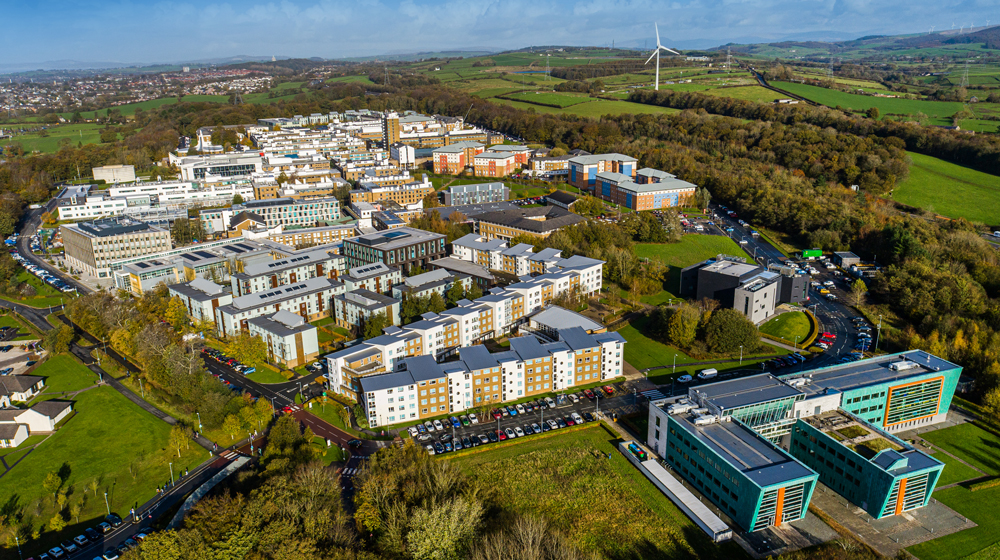
Global reputation and research excellence Lancaster is a top 10 UK university (Complete University Guide 2026) set on a 578‑acre parkland campus in n...