Postgraduate Studentships - Search for funding opportunities.




Postgraduate Studentships - Search for funding opportunities.


 Study Details: 1 year
How can translation help change our societies? And what role will technology play in it? This course will enable you to develop a complete understanding of ongoing debates and developments in the field of translation studies, including the use of AI and other technologies. It will also equip you with the linguistic and technical skills you will need to move into a wide range of careers.
Lancaster’s MA in Translation Studies allows you to tailor the course and build your skills in the areas of translation that are most important to you. This means you can start to shape your career direction from early in the programme.
Maybe you’re looking for a route into creative fields such as literary or multimedia translation work? Or perhaps you are focused on business sectors such as legal, medical or technical? If you are already working in a translation role, you could use this course to advance your career and move into new avenues.
You’ll find there are ample opportunities to engage with the translation sector during the course, including working with industry professionals, charities and art organisations.
We’ll encourage you to develop your individual personality and style as an expert linguist and translator, and to reflect on the influence and impact of transcultural encounters on our societies.
During the course you’ll use the latest specialist software and digital translation tools, such as Trados Studios, learning how these tools can support and help you manage your translation work. You’ll gain advanced skills in using these tools, as well as a critical understanding of how developments in digital tools are transforming the translation industry, from computer assisted translation to AI-led machine translation. You will learn to reflect on how to use these tools effectively in your own work.
This course combines language-specific practice in either one or two languages in addition to English. You can specialise in translation between:
You will also be introduced to the fascinating research that our expert academics carry out in translation and related fields such as languages and cultures, literature and the arts. This includes, creative critical translation, transcultural practices and backtranslations.
The Centre for Transcultural Writing and Research plays a large role in this research, linking writers, academics and Lancaster University’s postgraduate student community to extensive research activity in creative writing and its impact on society.
2:2 Hons degree (UK or equivalent) in a language or a related subject is normally required. Native speakers of the languages taught are also welcome to apply. Applicants should state clearly in their personal statement which language they wish to specialise in.
We will also consider applications on an individual basis where you have a degree in other subjects or extensive relevant experience. You should be able to demonstrate how your skills have prepared you for the relevant discussions and assessments during postgraduate study.
For fees and funding options, please visit our website to find out more.
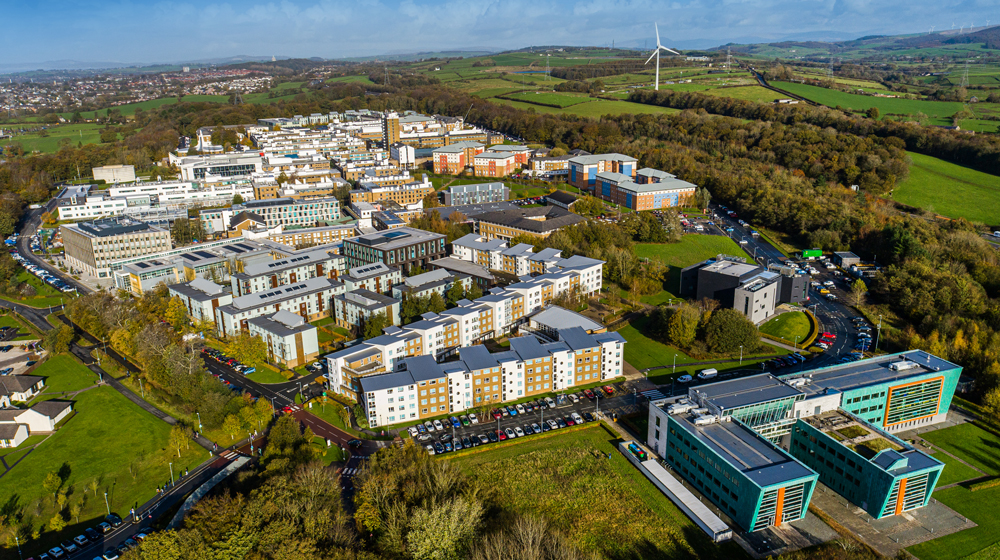
Global reputation and research excellence Lancaster is a top 10 UK university (Complete University Guide 2026) set on a 578‑acre parkland campus in n...