Postgraduate Studentships - Search for funding opportunities.




Postgraduate Studentships - Search for funding opportunities.

 Study Details: 1 year full-time; 2 or 3 years part-time
Find out about courses, learn about the application process, and discover how we can help you achieve your professional goals.
in the UK for Agriculture and Forestry The Times & The Sunday Times Good University Guide 2026
for research impact in Earth Systems and Environmental Sciences REF 2021
of the most sustainable universities in the World QS World Rankings: Sustainability 2024
in the World for Environmental Education QS World Sustainability Rankings 2024
in the World for Environmental Research QS World Sustainability Rankings 2024
and Top 50 in the UK Daily Mail University Guide 2024
and #44 in the UK The Times and The Sunday Times Good University Guide 2024
and #54 overall in the UK The Guardian University Ranking 2024
university in the UK in the Unifresher's Alternative League Table 2023
university in the UK in the WhatUni Student Choice Awards 2023
university in the UK in the 2023/24 People and Planet University League
university in the World for Responsible Consumption and Production in the Times Higher Education Impact Rankings 2024
university in the World in the overall Times Higher Education Impact Rankings 2024
A 2(i) undergraduate degree in a relevant subject, e.g. Agriculture, Forestry, Environmental Sciences, Ecology, Conservation Sciences, Sustainable Development, Geography or Biological Sciences. Alternatively, a first degree in an unrelated subject plus relevant practical experience may be accepted. Applicants are judged on their individual merits. Work experience and other factors are also considered. Students with degrees in forestry, agriculture, geography, biology, environmental studies, economics, law, social sciences, philosophy and modern languages have graduated from this course.
IELTS: 6.0 (with no element below 5.5) is required.
Current students and recent graduates have secured jobs in a wide variety of fields in natural research management and food security., Roles include consultants and managers in agriculture, agribusiness and environment, as well as policy and advocacy roles for government or NGOs. Others have continued their education with a PhD, work as researchers and teach/train others in the field. Career prospects also include promotion for those already employed in agroforestry or related professions.
The taught component of this degree (120 credits), consists of 15 credit modules and may include both coursework and/or examination(s).
Modules run in a blended format whereby the lectures that are taught on campus are live streamed for distance learners.
Dissertation component (60 credits) comprises a dissertation – an independent research project which is led by the student who works closely with an academic supervisor to submit their own high-quality postgraduate level research.
Applicants not wishing to study for the full MSc (180 credits) can take exit awards of either Postgraduate Certificate (60 credits) or Postgraduate Diploma (120 credits).
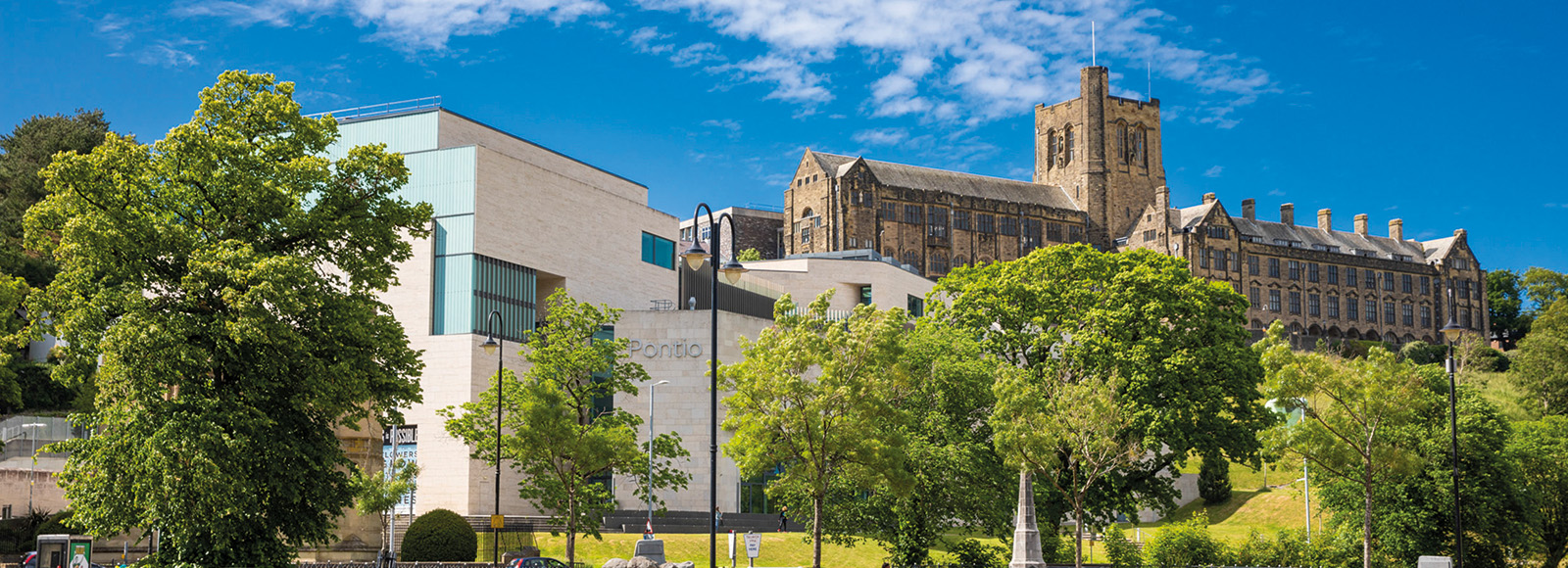
Your Future in Action. Nestled between the mountains and the sea in North Wales, Bangor University offers a postgraduate experience shape...