Postgraduate Studentships - Search for funding opportunities.



Postgraduate Studentships - Search for funding opportunities.

 Study Details: 1 year full-time; 2 or 3 years part-time
This course is accredited by the Institute of Chartered Foresters and gives partial fulfilment of Professional Membership Entry.
Embark on a journey with our MSc in Environmental Forestry, where we unravel the mysteries of the world's forests and dive headfirst into the heart of sustainability challenges. Are you ready to explore the dynamic interplay between trees and forests and the twin climate and biodiversity crises? We will equip you with cutting-edge insights from the forefront of forest science, empowering you to critically evaluate and address the monumental questions shaping our environmental future.
With an emphasis on forest science, this MSc programme will develop your understanding of the natural science of forest ecosystems, the basis of sustainable forest management.
"Through the Bangor Environmental Forestry Masters degree, I gained experience working in Natural Resources both domestically and overseas. This degree was the ideal springboard to working and studying for my PhD.” Wojciech Waliszewski, Environmental Forestry Graduate
A 2(i) undergraduate degree in a relevant subject, e.g. Forestry, Environmental Sciences, Ecology, Conservation Sciences, Sustainable Development, Geography or Biological Sciences. Alternatively, a first degree in an unrelated subject plus relevant practical experience may be accepted. Applicants are judged on their individual merits and age, work experience and other factors are also considered. Students with degrees in forestry, geography, biology, environmental studies, economics and social sciences have graduated from this course.
Applications from mature students who do not have higher education qualifications but have relevant work experience and who have worked for a minimum of 2 years in a position of responsibility and relevance to the degree will also be considered.
IELTS: 6.0 (with no element below 5.5) is required.
For fees and funding options, please visit website to find out more
Against a sometimes gloomy economic backdrop, natural resource management, and forest management in particular, is becoming more important, with the result that there is a generally acknowledged skills shortage in the forestry profession. The speed with which our graduates gain employment reflects this. Graduates from this course have progressed on to relevant employment in public sector organisations, NGOs and academic institutions both in the EU and overseas. This MSc course has also formed a stepping stone in post-graduate research and has produced high calibre research scientists in the fields of tree biology, forest science, and natural resource management.
“Through the Bangor Environmental Forestry Masters degree, I gained experience working in Natural Resources both domestically and overseas. This degree was the ideal springboard to working and studying for my PhD.” Wojciech Waliszewski, Environmental Forestry Graduate
The taught component of this degree (120 credits), consists of 15 credit modules and may include both coursework and/or examination(s).
Dissertation component (60 credits) comprises a dissertation – an independent research project which is led by the student who works closely with an academic supervisor to submit their own high-quality postgraduate level research.
Applicants not wishing to study for the full MSc (180 credits) can take exit awards of either Postgraduate Certificate (60 credits) or Postgraduate Diploma (120 credits).
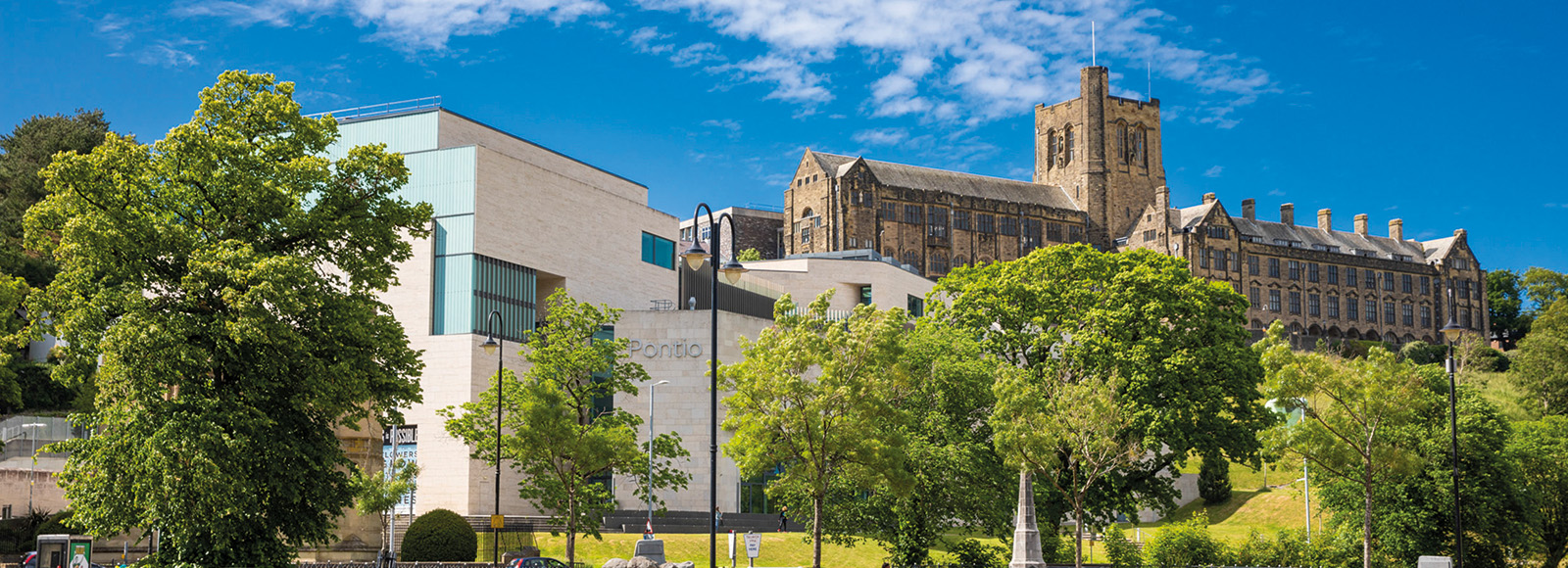
Your Future in Action. Nestled between the mountains and the sea in North Wales, Bangor University offers a postgraduate experience shape...


